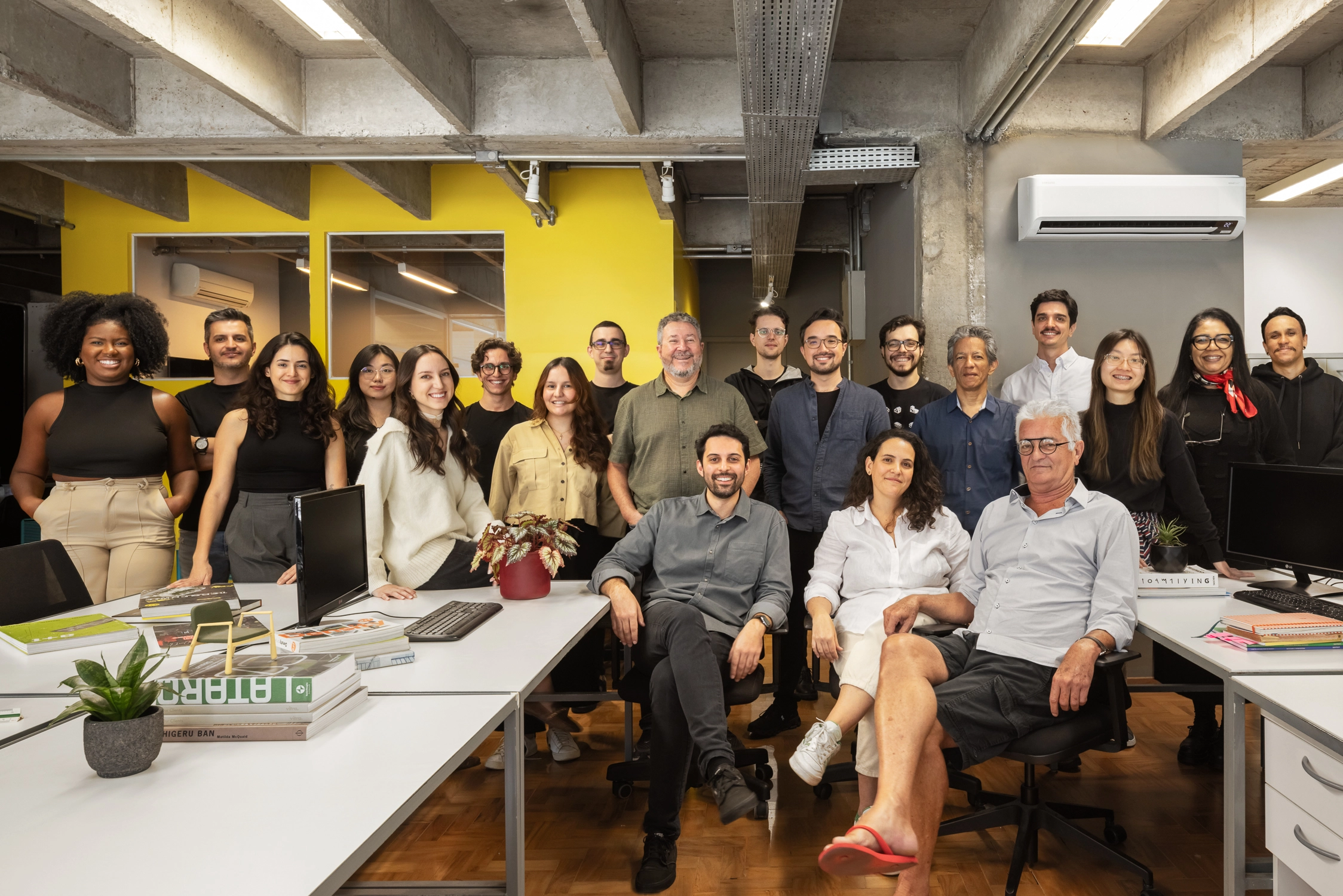
Bacco Arquitetos Associados is the result of distinct trajectories that united around a common goal: to combine business vision with the creative essence of an architectural studio. Over more than three decades, the association between architects Marcelo Barbosa and Jupira Corbucci in 1992 built a solid foundation, marked by creative restlessness, commitment to quality, and the constant pursuit of new challenges.
Starting with a focus on residential projects, BACCO’s practice soon expanded to areas of greater complexity, such as urban infrastructure, logistics centers, master plans, and airports. Emblematic projects such as the Transfer Stations for São Paulo’s bus corridor system and the Pedro Facchini Residential Complex by Cohab – both integrated into the collection of the Centre Georges Pompidou in Paris – demonstrate the scope and relevance of the work developed. Since 2017, with the renewal of the partnership structure, the firm has reaffirmed its collaborative and multidisciplinary structure, incorporating project coordinators as partners and consolidating its large-scale management capacity.
Managing Partners
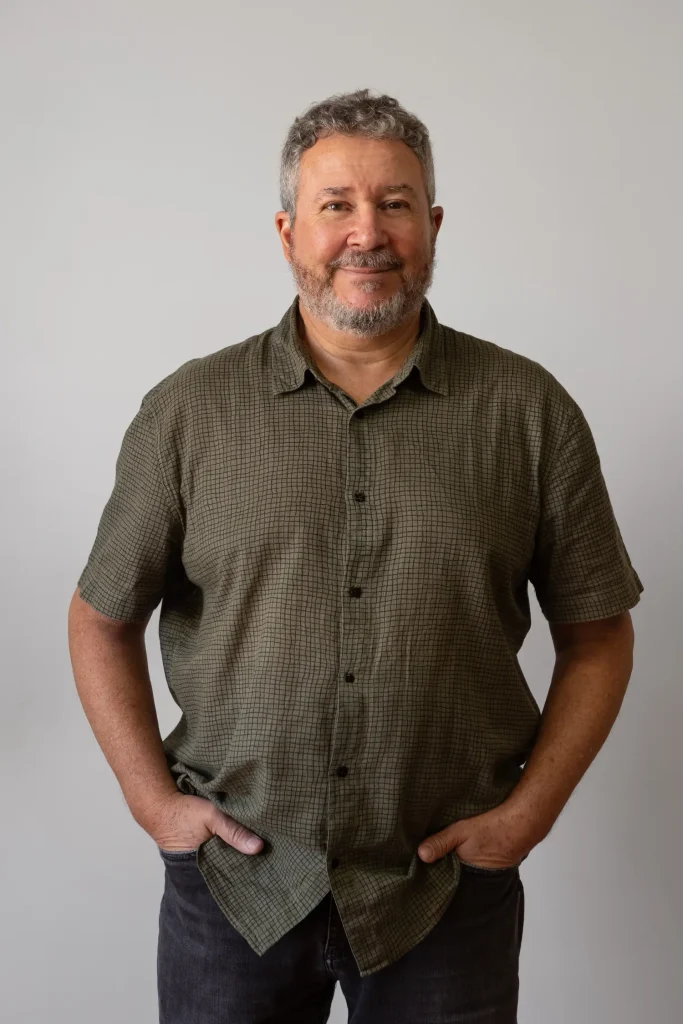
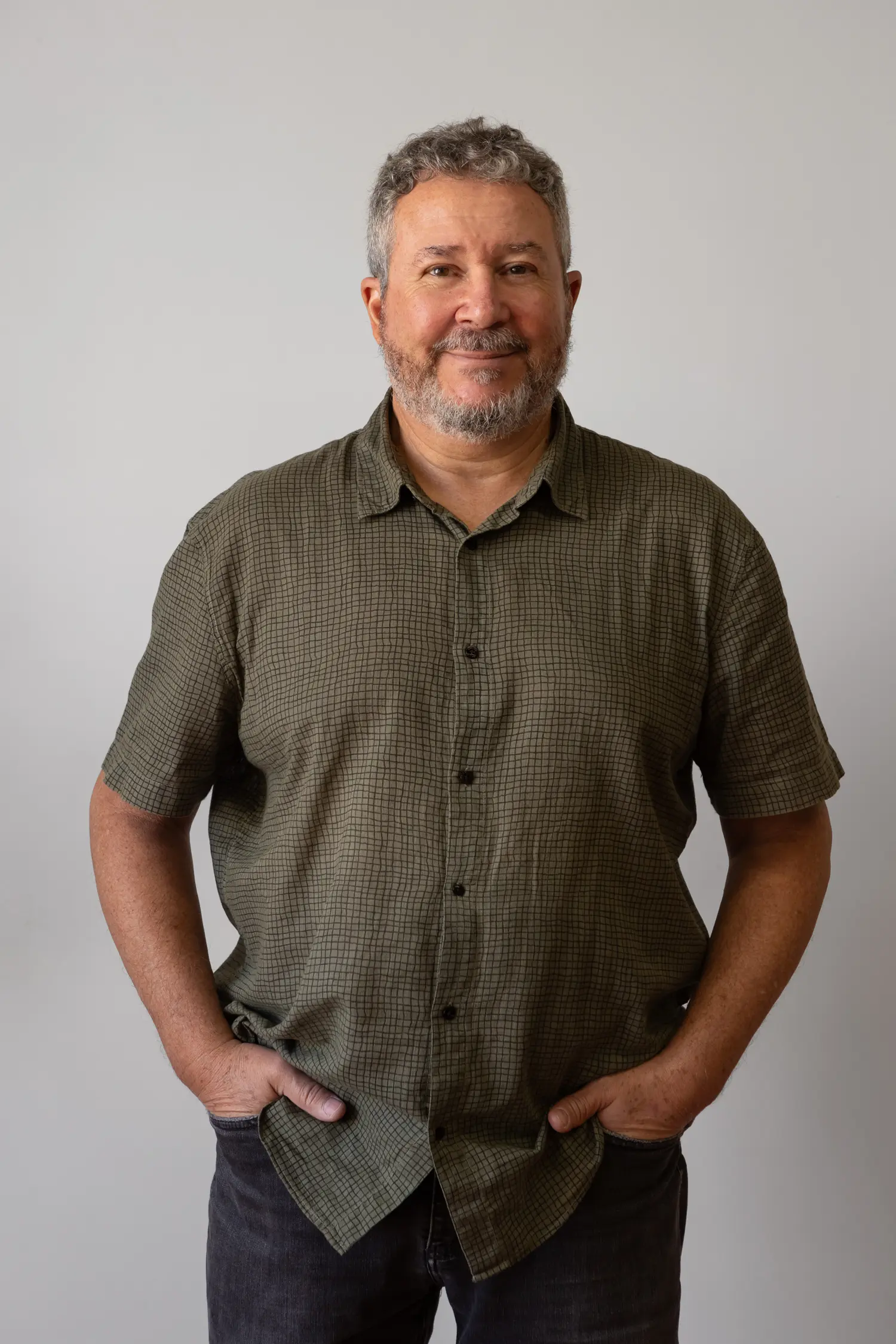
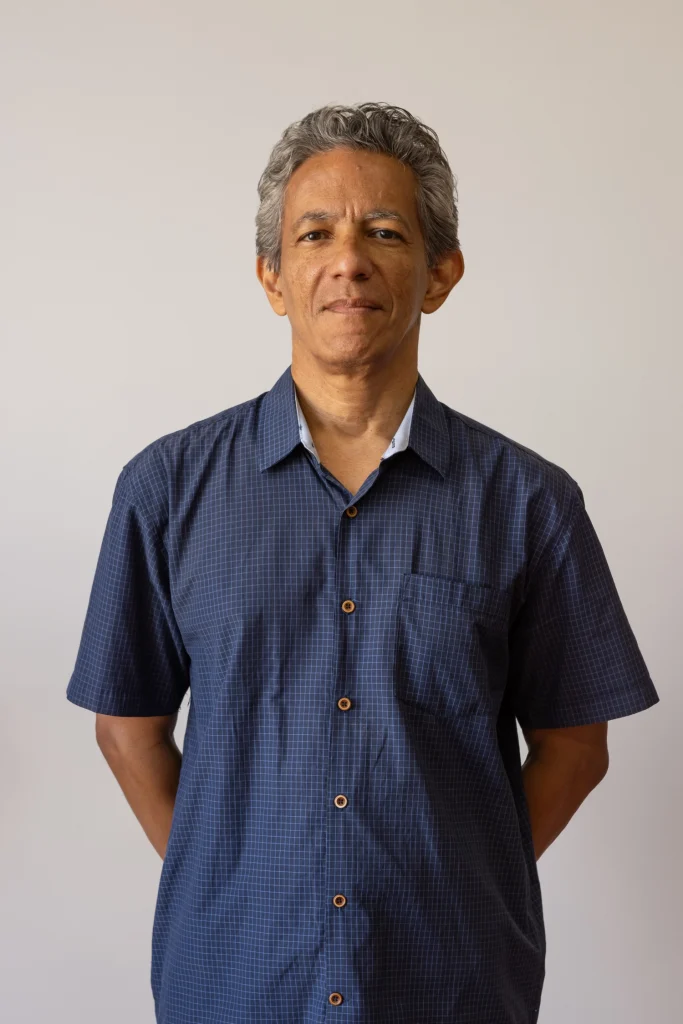
MARCELO BARBOSA
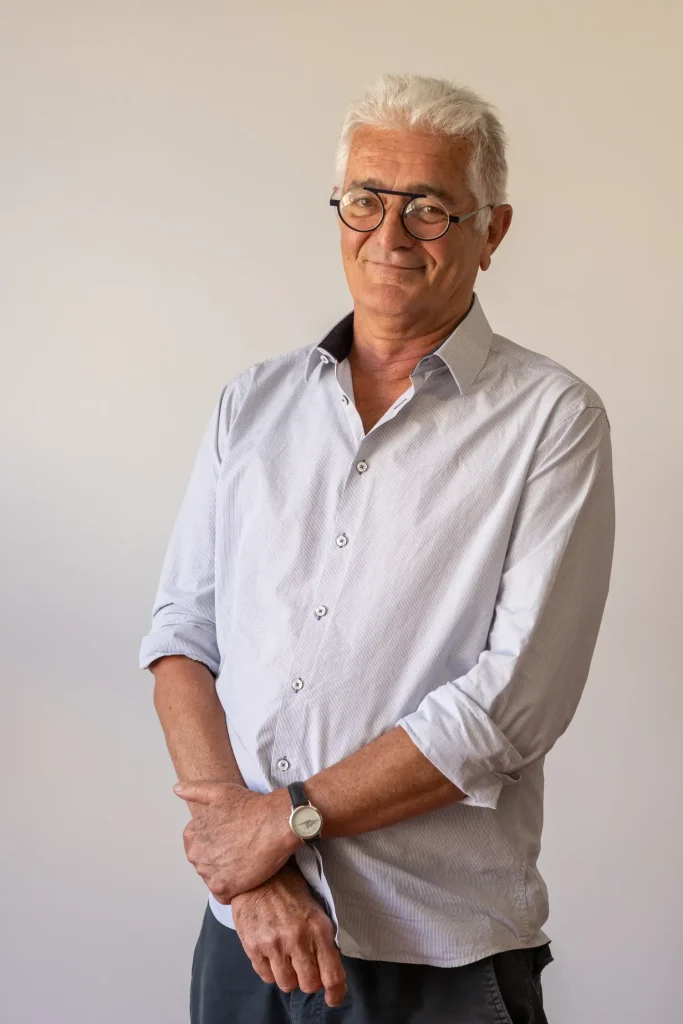
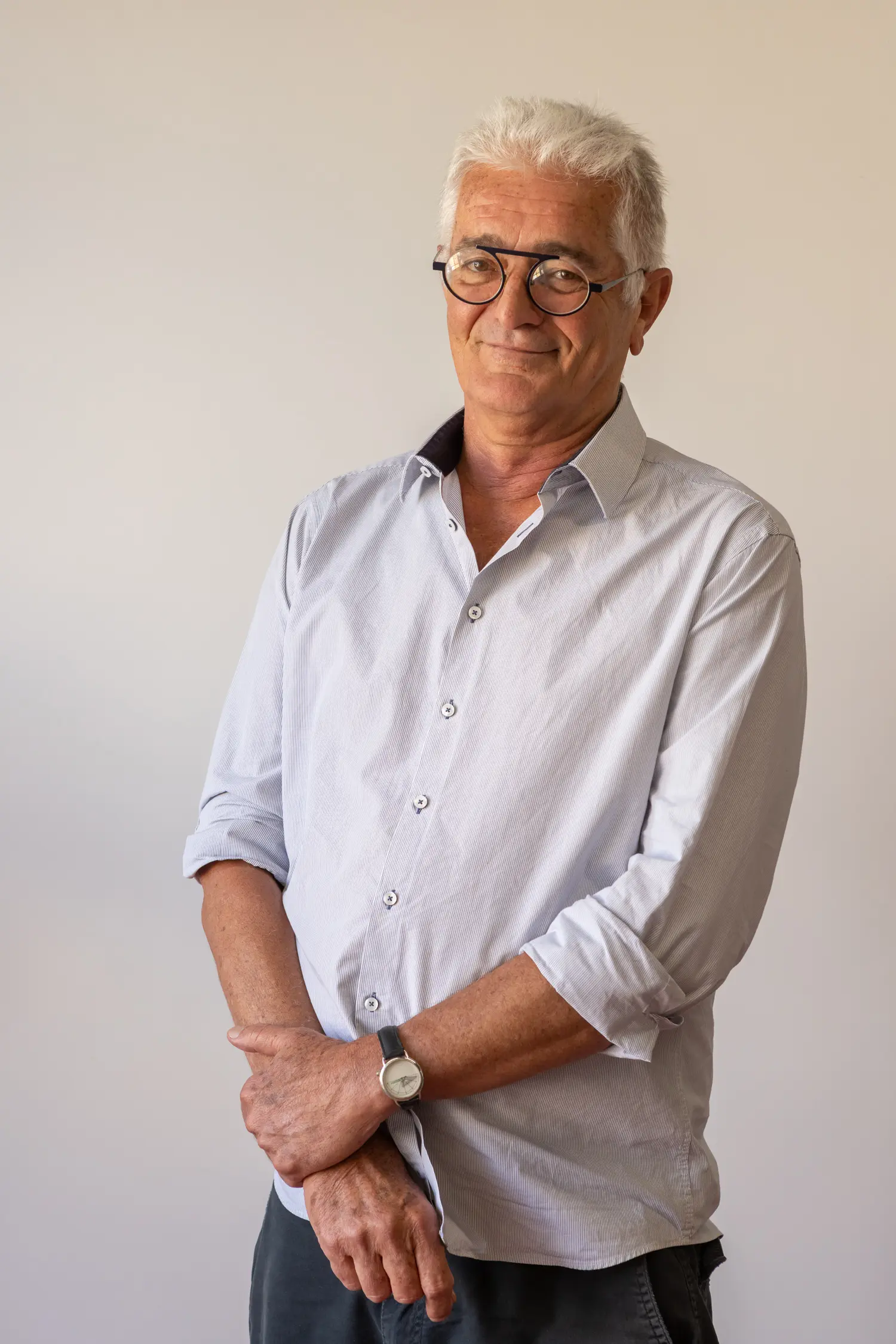
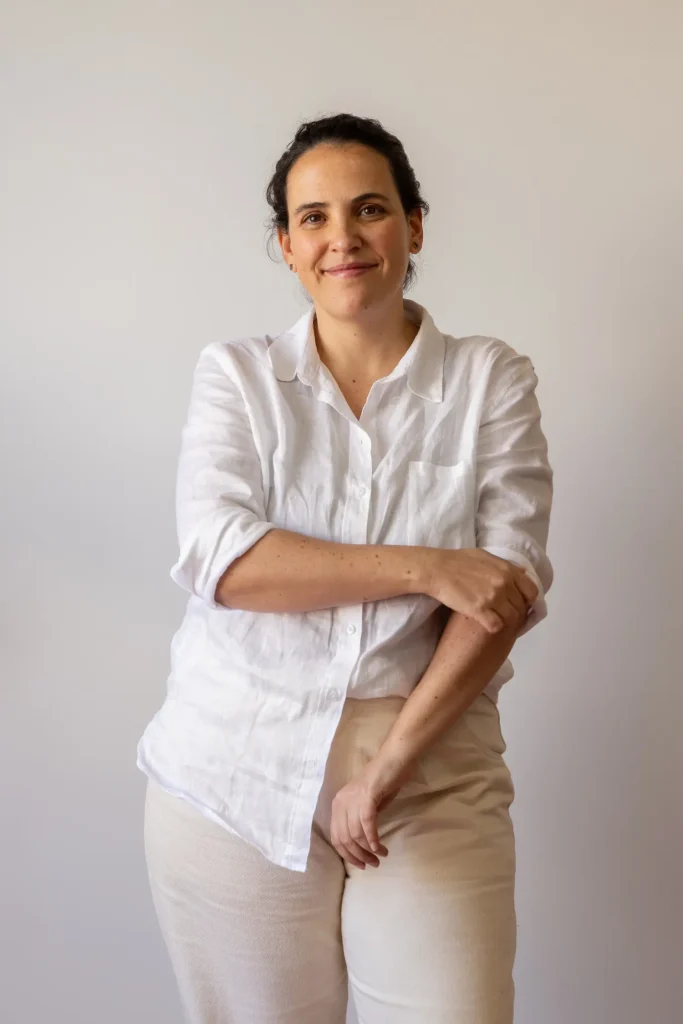
JUPIRA CORBUCCI
Founding partner, Marcelo graduated in Architecture and Urbanism from Mackenzie Presbyterian University (1984), with an extension in "University Business" from the Armando Alves Penteado Foundation (1991), a Master's degree in Architecture and Urbanism in "Building Design" from the Faculty of Architecture and Urbanism of the University of São Paulo (FAU-USP) (2002), and a Doctorate from Mackenzie Presbyterian University with the thesis "Heep, a Modern Architect" (2011).
Founding partner, Julio César Corbucci, "Jupira" graduated in Architecture and Urbanism from the Pontifical Catholic University (PUC) Campinas (1984) and completed postgraduate studies at the École d'Architecture Paris-Villemin (1987), having worked as an architect in France from 1989 to 1993.
Managing Partners
MARCELO BARBOSA
Founding partner, Marcelo graduated in Architecture and Urbanism from Mackenzie Presbyterian University (1984), with an extension in “University Business” from the Armando Alves Penteado Foundation (1991), a Master’s degree in Architecture and Urbanism in “Building Design” from the Faculty of Architecture and Urbanism of the University of São Paulo (FAU-USP) (2002), and a Doctorate from Mackenzie Presbyterian University with the thesis “Heep, a Modern Architect” (2011).
JUPIRA CORBUCCI
Founding partner, Julio César Corbucci, “Jupira” graduated in Architecture and Urbanism from the Pontifical Catholic University (PUC) Campinas (1984) and completed postgraduate studies at the École d’Architecture Paris-Villemin (1987), having worked as an architect in France from 1989 to 1993.
Managing Partners
MARCELO BARBOSA
JUPIRA CORBUCCI
Managers
HERALCIR CESARI VALENTE
Architecture Coordinator at Bacco, he has worked at the company for 25 years. He graduated in Architecture and Urbanism from Universidade Presbiteriana Mackenzie in 1994 and has specialization in Electrical Installations and Structural Masonry from the Polytechnic School of the University of São Paulo (1997).
LAURA ELISA POGGIO
With 22 years of experience at Bacco, she is currently Project Manager and holds a degree in Architecture and Urbanism from Universidade Presbiteriana Mackenzie, completed in 2006.
LUCAS BIANCCHI DE ALMEIDA
With eight years of experience at Bacco, he currently holds the position of Architecture Coordinator and specializes in Logistics Projects. He graduated in Architecture and Urbanism from Escola da Cidade (2018), where he also completed postgraduate studies in Housing and City (2021).
MICAEL FRANCO DAMBROS
Management and Planning Manager at Bacco with a degree in Civil Engineering from Universidade Federal de Santa Maria (2012). He enhanced his qualifications with an MBA in Management from Fundação Getúlio Vargas (2019) and a specialization in Responsive Cities from IMED (2022).
Today, BACCO Arquitetos operates as a center of excellence in development, coordination, and quality control of projects of different natures and complexities, without abandoning the authorial and reflective character that marks its history. With an approach that integrates scales, disciplines, and knowledge, the firm maintains its commitment to delivering innovative, sustainable, and qualified solutions – whether in hospitals, airports, institutional or residential buildings.
+20 Awards
National and International
In addition to two projects as part of the Permanent Collection of the Georges Pompidou Museum, France.
STRUCTURING OF PMIs AND EVTEA
The practice involves the preparation of Technical, Economic and Environmental Feasibility Studies (EVTEA) and the structuring of Interest Manifestation Projects (PMIs) focused on strategic urban infrastructure and airport projects. Since its consolidation as a multidisciplinary firm, the experience accumulated over three decades includes the development of master plans, urban facilities, and large-scale projects, which has enabled consistent participation in the structuring of PMIs focused on territorial requalification. The practice combines technical, urban planning, and institutional vision, with a focus on public-private partnerships and consortium urban operations.
Among the studies developed, participation in the Arco do Futuro plan by the São Paulo City Hall stands out, which proposes the reconfiguration of the margins of the Pinheiros and Tietê rivers through Public-Private Partnership (PPP). The scope includes the implementation of a public transportation system (BRT) and a Consortium Urban Operation (OUC) to foster urban development, mixed uses, and industrial activities.
Airport expansion and modernization projects are also conducted, based on technical studies that integrate economic, functional, and environmental feasibility. Examples include Terminal 2 of Belo Horizonte International Airport, Vitória Airport, Recife Airport, and regional airports in São Paulo, such as those in Ribeirão Preto and São José do Rio Preto.